
The Allure of Risk-taking
One of the most captivating aspects of casino gambling is the thrill of risk-taking. Psychologically, humans are wired to seek excitement, and engaging in risky behavior can stimulate the brain’s reward system. This reaction can release dopamine, making the experience pleasurable and reinforcing the desire to gamble more. For many individuals, the adrenaline rush associated with placing a bet or spinning a slot machine creates an enticing environment where the potential for significant winnings overshadows the risks involved, especially when considering options like australian online casino that offer various exciting games. This thrill-seeking behavior can often lead to addictive tendencies, as the desire for that rush can outweigh rational thinking.
Moreover, the psychology of risk-taking in gambling can be compared to other high-stakes activities, such as extreme sports or investing in volatile markets. The possibility of winning big creates a sense of hope and anticipation. This phenomenon is particularly poignant in games of chance, where the randomness of outcomes heightens the excitement, making every moment a different experience. As players engage with the games, the emotional highs and lows can create a cycle that keeps them coming back for more. The constant pursuit of that euphoric feeling can cloud judgment, leading gamblers to underestimate the potential for loss.
This thrill can distort a player’s perception of the odds, making them feel as though they are more likely to win than they really are. As individuals experience wins, they may feel invincible, and the prospect of future victories can further entrench their gambling habits. The psychological allure of risk-taking can become a double-edged sword, where what begins as entertainment evolves into a compulsive need for more significant and more frequent engagement, ultimately complicating their relationship with gambling and leading to negative consequences.
The Influence of Environment
The environment within a casino is meticulously designed to enhance the gambling experience and influence player behavior. Factors such as lighting, sound, and layout are carefully curated to create an engaging atmosphere that entices individuals to stay longer and gamble more. For instance, the absence of clocks and windows can leave players disoriented regarding time, allowing them to become absorbed in their gaming experience instead of acknowledging the passage of time. This design amplifies the potential for prolonged gambling sessions, which can lead to increased spending. The sensory overload in these environments serves to heighten the excitement, further trapping players in a cycle of play.
Additionally, the use of sounds—like the ringing of slot machines or the cheers of winners—serves to reinforce positive feelings associated with gambling. These auditory cues can create an environment where players feel like they are on the verge of a win, even if the reality is far from it. This psychological manipulation keeps players immersed and encourages them to gamble even when they may not have intended to do so. The captivating environment of a casino can ultimately overshadow the financial and emotional consequences of extended gambling, making it difficult for individuals to recognize when they should stop.

The influence of social dynamics also plays a crucial role in the casino experience. Being surrounded by other gamblers can create a sense of camaraderie and encouragement, which can amplify a player’s desire to participate. Observing others winning can evoke feelings of envy and motivation, prompting individuals to take risks they might otherwise avoid. This collective atmosphere can foster an unspoken agreement among players, further cementing their engagement in the gambling experience. Such social influences can lead to decisions that may not align with an individual’s better judgment, making it essential to be aware of these external factors.
The Role of Cognitive Biases
Cognitive biases significantly influence how players perceive risks and rewards in gambling. One common bias is the illusion of control, where individuals believe they can influence the outcome of a game that is predominantly based on chance. For example, a player may think that using a specific strategy on a slot machine will increase their odds of winning, even though the outcome is entirely random. This mindset can lead to excessive gambling as players mistakenly believe they have a higher chance of success. Such distortions in thinking create an illusion that can be difficult to break.
Another notable cognitive bias is the gambler’s fallacy, which involves the belief that past events can influence future outcomes. A player might feel that after a series of losses, they are ‘due’ for a win, leading them to continue betting in hopes of a turnaround. This misconception can create a cycle of chasing losses, where individuals pour more money into the gaming experience in an attempt to recoup their earlier investments. Such cognitive distortions can cloud judgment and make it difficult for individuals to recognize when to stop gambling, trapping them in a cycle of loss.
Understanding these cognitive biases is crucial for education and intervention strategies aimed at reducing problematic gambling behaviors. By acknowledging how these biases operate, individuals can better equip themselves to engage in gambling more responsibly. Educational programs that focus on debunking myths surrounding luck and control can help players make more informed choices and encourage healthier attitudes towards gaming. Implementing strategies to counteract these biases can empower players to navigate the gambling landscape with a clearer mindset.
The Social and Emotional Factors at Play
The social aspects of gambling extend beyond mere enjoyment; they often intertwine with emotional factors that can impact a person’s decision to gamble. For many, casinos provide an escape from daily life, offering a place where they can socialize, unwind, and temporarily forget their worries. The interactive setting allows people to interact with others, forging connections over shared experiences. This social dimension can create a sense of belonging, further motivating individuals to return to the gambling environment. The allure of social interaction can often distract from the potential risks associated with gambling.
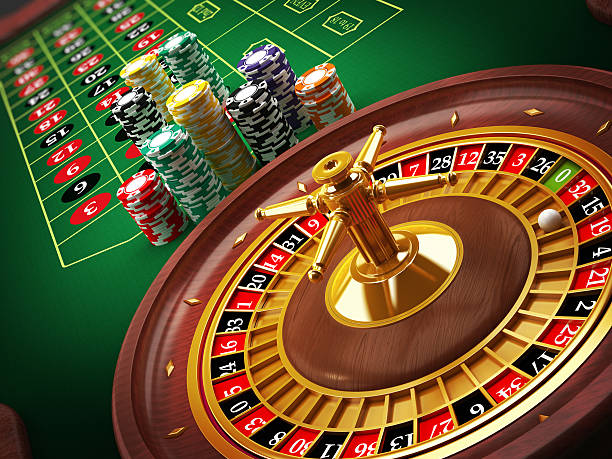
Emotional factors, such as stress and depression, can also lead individuals to seek solace in gambling. For some, the thrill of gambling may act as a distraction from personal issues, providing a means to cope with negative emotions. Unfortunately, this can lead to a cycle where gambling becomes the primary source of relief, exacerbating feelings of isolation and despair when losses occur. Recognizing the emotional triggers that lead to gambling is essential for addressing potential addiction and promoting healthier coping strategies. Acknowledging these emotional connections can help in creating support systems for those who may be struggling.
The interplay of social connections and emotional well-being in gambling can have profound implications for individuals and their loved ones. A supportive social network may help mitigate the risks associated with gambling, while isolation can increase susceptibility to gambling-related harms. Understanding these dynamics can play a pivotal role in prevention and recovery efforts, providing insights into how emotional health impacts gambling behaviors. By fostering healthier social interactions, individuals may find more constructive outlets for their emotions rather than resorting to gambling.
Understanding Gambling Behavior Through Research
Research into the psychology of gambling has led to valuable insights regarding behavior patterns and addiction. Various studies have employed psychological models to analyze what drives individuals to gamble and the underlying motivations that sustain their engagement. For instance, researchers have found that people often gamble not only for the thrill of winning but also as a form of entertainment and social interaction. Understanding these motivations allows for a more nuanced perspective on gambling behavior, highlighting the complexity of why individuals are drawn to such activities.
Ongoing research efforts focus on identifying and developing strategies for responsible gambling. By understanding the psychological triggers that lead to risky gambling behaviors, researchers aim to create frameworks for early intervention. These frameworks can help individuals recognize when their gambling may become problematic and encourage them to seek help before reaching critical levels of addiction. Such informed approaches can ultimately empower individuals to embrace a healthier relationship with gambling, reducing the incidence of gambling-related harm.
Moreover, the integration of technology into gambling has opened new avenues for research. Online platforms have made it easier to collect data on player behavior, enabling researchers to analyze trends and patterns in real-time. This data-driven approach can provide essential insights into how different demographics engage with gambling, which can inform education and prevention efforts tailored to specific audiences. By focusing on evidence-based strategies, the gambling industry can work towards creating a safer and more informed environment for all players, ultimately enhancing the overall experience while minimizing risks.


