
Casino ohne OASIS im Jahr 2026: Was neue Spieler wissen sollten


Im Jahr 2026 gibt es in Deutschland eine Vielzahl von Casinos, die ohne OASIS-Lizenz operieren. Diese Anbieter bieten Spielern eine andere Art des Glücksspiels, die zahlreiche Vor- und Nachteile mit sich bringt. Um die besten Optionen zu finden, sollten Spieler die Angebote der verschiedenen Plattformen vergleichen, wie zum Beispiel die beste online casino ohne lugas , die besonders attraktiv sein können. Dieses Thema ist besonders für neue Spieler wichtig, die sich über die Risiken und Chancen informieren möchten, bevor sie in die Welt des Online-Glücksspiels eintauchen. In diesem Artikel werden wir die wichtigsten Aspekte beleuchten, die potenzielle Spieler beachten sollten.
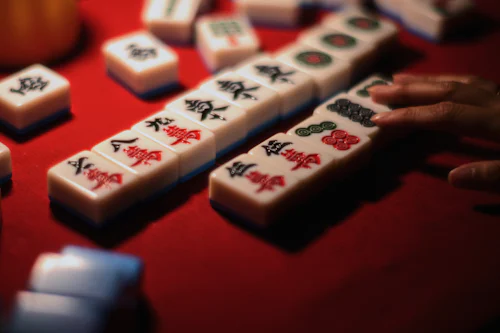
A clear starting point for casino

Die Welt der Online-Casinos hat sich in den letzten Jahren rasant weiterentwickelt, und das Jahr 2026 ist keine Ausnahme. Besonders in Deutschland gibt es eine Debatte darüber, welche Anbieter legal sind und welche nicht. Casinos ohne OASIS-Lizenz fungieren ohne die strengen Auflagen, die lizenzierte Anbieter erfüllen müssen. Dies schafft eine Vielzahl von Herausforderungen für Spieler, die sich mit den Risiken und dem Schutz ihrer Daten auseinander setzen müssen.

Ein wesentlicher Punkt ist, dass unlizenzierte Casinos oft keinerlei Schutzmaßnahmen bieten, die normalerweise durch die OASIS-Regelung gewährleistet werden. Diese Regelung zielt darauf ab, Spielern von Glücksspielschutzprogrammen zu helfen und die Geschäftspraktiken der Betreiber zu regulieren. Daher sollten neue Spieler gut informiert sind, bevor sie sich für ein Casino ohne OASIS entscheiden.

Wie man in einem Casino ohne OASIS startet

Für neue Spieler, die sich einem Casino ohne OASIS anschließen möchten, sind folgende Schritte zu beachten:

  1. Recherche durchführen: Informieren Sie sich über die verschiedenen Anbieter und deren Angebote.
  2. Eine Anmeldung vornehmen: Registrieren Sie sich auf der Plattform Ihrer Wahl.
  3. Identität verifizieren: Oft werden Dokumente zur Bestätigung Ihrer Identität verlangt.
  4. Einzahlung tätigen: Entscheiden Sie sich für eine Zahlungsmethode und führen Sie eine Einzahlung durch.
  5. Spiel auswählen: Wählen Sie aus dem Spielangebot des Casinos.
  6. Spielen und Spaß haben: Beginnen Sie mit dem Spielen Ihrer Lieblingsspiele.
  • Einfacher Zugang zu vielen Spielen
  • Hohe Gewinnchancen in unregulierten Märkten
  • Verlockende Bonusangebote

Praktische Details für neue Spieler

Die Wahl eines Casinos ohne OASIS-Lizenz bringt nicht nur Risiken mit sich, sondern auch einige praktische Details, die Spieler beachten sollten. In vielen Fällen gibt es keine Einzahlungslimits, was bedeutet, dass Spieler die Kontrolle über ihren Spielbetrag behalten können. Dies kann sowohl vorteilhaft als auch nachteilig sein, da es leicht zu übermäßigem Spielen führen kann. Zudem sind die Auszahlungsrisiken in unregulierten Casinos erheblich höher. Spieler sollten sich bewusst sein, dass sie möglicherweise Schwierigkeiten haben könnten, Gewinne abzuheben.

  • Keine Einzahlungslimits für Spieler
  • Hohe Risiken bei der Auszahlung von Gewinnen
  • Fehlende Unterstützung durch verantwortungsvolles Glücksspiel

Es ist auch wichtig, sich der möglichen Anonymität bewusst zu sein, die durch die Abwesenheit von OASIS entsteht. Dies bedeutet, dass Spieler ihre Daten möglicherweise nicht ausreichend geschützt sehen. Eine gründliche Recherche und das Lesen von Erfahrungsberichten anderer Spieler sind von entscheidender Bedeutung, um informierte Entscheidungen zu treffen.

Wichtige Vorteile von Casinos ohne OASIS

Casinos ohne OASIS-Lizenz bieten einige Vorteile, die für Spieler attraktiv sein können. Zum einen profitieren Spieler häufig von großzügigen Boni und Angeboten. Diese unregulierten Anbieter haben die Freiheit, ihre Promotions zu gestalten und können daher interessantere Anreize bieten, um neue Spieler zu gewinnen. Ein weiterer Vorteil ist die größere Auswahl an Spielen, da sie nicht an die gleichen Vorschriften gebunden sind wie lizenzierte Betreiber.

  • Attraktive Willkommensboni
  • Vielfältiges Spielangebot
  • Weniger strenge Vorschriften

Allerdings sollten diese Vorteile nicht die potenziellen Risiken überdecken, die mit dem Spielen in unregulierten Casinos verbunden sind. Spieler sollten stets vorsichtig sein und sich der Unsicherheiten bewusst sein, die diese Umgebung mit sich bringt.

Vertrauen und Sicherheit in unregulierten Casinos

Vertrauen und Sicherheit sind entscheidende Aspekte, die bei der Auswahl eines Casinos berücksichtigt werden sollten. Da Casinos ohne OASIS nicht den gleichen Regulierungen unterliegen, besteht ein höheres Risiko für Betrug oder unangemessene Geschäftspraktiken. Spieler sollten sich über die Zahlungsmethoden informieren und sicherstellen, dass sie in einem Umfeld spielen, das ihre Daten schützt.

Es ist ratsam, nur Casinos auszuwählen, die transparent über ihre Richtlinien und Praktiken informieren. Spieler können auch die Erfahrungen anderer Nutzer in Foren oder Bewertungsportalen überprüfen, um einen besseren Einblick in die Seriosität des Anbieters zu erhalten.

  • Bewertungen und Erfahrungsberichte von anderen Spielern
  • Transparente Zahlungsmodalitäten
  • Informationen über Datenschutz und Datensicherheit

Warum man ein Casino ohne OASIS wählen sollte

Die Entscheidung für ein Casino ohne OASIS kann für manche Spieler sinnvoll sein, insbesondere wenn sie auf der Suche nach einem größeren Spielangebot und interessanteren Promotions sind. Allerdings ist es entscheidend, diese Entscheidung auf fundierten Informationen zu basieren. Spieler müssen die Risiken abwägen und sich bewusst sein, dass der Verlust von Schutzmaßnahmen auch bedeutet, dass sie die Verantwortung für ihr eigenes Spielverhalten tragen müssen.

Insgesamt ist es wichtig, sich als Spieler in einem unregulierten Markt gut zu informieren, um sowohl die Vorteile als auch die Risiken der Entscheidung für ein Casino ohne OASIS zu verstehen. Ein proaktiver Umgang mit dem Thema Sicherheit und Verantwortungsbewusstsein beim Spielen kann gewährleisten, dass der Spaß am Glücksspiel nicht durch unerwartete Probleme getrübt wird.

You have successfully subscribed to the newsletter

There was an error while trying to send your request. Please try again.

Beyond The Valley Adventures will use the information you provide on this form to be in touch with you and to provide updates and marketing.

Max elevation

HYDRATION

There is a correlation between daily fluid intake and successful acclimatization and you must pay particular attention to hydration during trekking at high altitudes. On treks to 3000 meters and above most people will need to drink between 4 and 6 liters each day to achieve suitable hydration levels and you must adopt a responsible approach to achieving this target.

ACUTE MOUNTAIN SICKNESS

Before embarking on a trek to high altitude it is important that you familiarize yourself with the signs and symptoms of Acute Mountain Sickness (AMS) and that you report any illness to your tip leader straight away. See the links at the bottom of this page for further reading on AMS.

DIAMOX

There are a number of untested herbal remedies which claim to prevent mountain sickness. However, only one drug is currently known to have a useful role in preventing AMS and to be safe for this purpose: acetazolamide (Diamox). We recommend that you carry Diamox in your first aid kit for treks where you spend an extended period above 4000m. Diamox can only be obtained from a medical professional on prescription and it is important that you first consult your own doctor so that you know there are no contra indications with other medicines you may be taking and that you do not have an allergy to acetazolamide. Diamox commonly causes some minor side effects, such as tingling fingers and toes, or a metallic taste in the mouth, but more severe reactions are rare. On trek, the decision whether or not and when, you should take Diamox as with any drug, will rest solely with you. If you intend to take Diamox, you must familiarize yourself with the appropriate dosage and regime prior to coming on the trip. The links at the bottom of this page will provide further information on the use of Diamox as an aid to acclimatization.

Travelling to high altitudes is not something you need to be scared of. Every year thousands of people enjoy the most amazing experiences in the world's greatest mountain ranges. Altitude sickness is entirely preventable if you follow very simple rules and procedures. Please make sure you are aware of these before you travel.

SUMMARY OF DIFFICULTY
The hike up to our campsite is a moderate 6 miles and 1400ft of elevation gain. The scramble up to Pyramid Ridge can be steep and difficult, but very adventurous and with just light day packs.Hiking

Distances
6-10 miBackpack Weight
25-35 lbsTerrain
Moderately RuggedMax Daily Elev. Gain
1950 ftHeights Exposure
Moderate

Please Note: Terrain, Elevation Gain and Heights Exposure ratings reflect the section or day of the trip with the maximum difficulty of each. Much of the trip is at easier levels. See the trip itinerary for more detailed information. Backpack Weight ratings are estimates that account for Wildland-provided gear, guest clothing, personal items and a share of group food. By packing light it’s often possible to stay on the lower end of the weight range. Pack weights also decrease during the trip.

PHYSICAL REQUIREMENTS

  • Hiking uphill or downhill with a 25-35 lb backpack for 5-7 hours
  • Hiking uphill off trail with a 8-12 lb backpack for 6-8 hours
  • Maintaining balance and footing on moderately rugged terrain
  • Hiking with moderate heights exposure

To show the relative difficulty of our adventure holidays, each trip is graded on a scale of 1 to 10, with 10 being the most challenging. Our simple, colour-coded grade symbol provides an indication of the difficulty of each trip.

Clearly, there are many different factors that contribute to the difficulty of a particular holiday, including, length of day, terrain, type of accommodation, altitude and weather conditions. Since some of these factors are necessarily changeable, any system of grades can only provide a general indication. If you have any questions about the nature of a particular trip or its suitability for you, please read the detailed Trip Notes and if you are still unsure, please do not hesitate to contact us

GREEN 1 - 4 LEISURELY

Suitable for most people in good health, holidays at this grade include only limited amounts of activity.

YELLOW 5 - 7 MODERATE

Suitable for reasonably fit individuals, such as weekend walkers and cyclists. There can be the occasional more difficult day.

RED 08 - 10 TOUGH

Our toughest holidays, involve many long days, often in isolated areas. A high level of fitness and previous wilderness experience is essential.

SUMMARY OF DIFFICULTY
The hike up to our campsite is a moderate 6 miles and 1400ft of elevation gain. The scramble up to Pyramid Ridge can be steep and difficult, but very adventurous and with just light day packs.Hiking

Distances
6-10 miBackpack Weight
25-35 lbsTerrain
Moderately RuggedMax Daily Elev. Gain
1950 ftHeights Exposure
Moderate

Please Note: Terrain, Elevation Gain and Heights Exposure ratings reflect the section or day of the trip with the maximum difficulty of each. Much of the trip is at easier levels. See the trip itinerary for more detailed information. Backpack Weight ratings are estimates that account for Wildland-provided gear, guest clothing, personal items and a share of group food. By packing light it’s often possible to stay on the lower end of the weight range. Pack weights also decrease during the trip.

PHYSICAL REQUIREMENTS

  • Hiking uphill or downhill with a 25-35 lb backpack for 5-7 hours
  • Hiking uphill off trail with a 8-12 lb backpack for 6-8 hours
  • Maintaining balance and footing on moderately rugged terrain
  • Hiking with moderate heights exposure
DIFFICULTY LEVEL

To show the relative difficulty of our adventure holidays, each trip is graded on a scale of 1 to 10, with 10 being the most challenging. Our simple, colour-coded grade symbol provides an indication of the difficulty of each trip.

Clearly, there are many different factors that contribute to the difficulty of a particular holiday, including, length of day, terrain, type of accommodation, altitude and weather conditions. Since some of these factors are necessarily changeable, any system of grades can only provide a general indication. If you have any questions about the nature of a particular trip or its suitability for you, please read the detailed Trip Notes and if you are still unsure, please do not hesitate to contact us

GREEN 1 - 4 LEISURELY

Suitable for most people in good health, holidays at this grade include only limited amounts of activity.

YELLOW 5 - 7 MODERATE

Suitable for reasonably fit individuals, such as weekend walkers and cyclists. There can be the occasional more difficult day.

RED 08 - 10 TOUGH

Our toughest holidays, involve many long days, often in isolated areas. A high level of fitness and previous wilderness experience is essential.