Epic Mountain Views
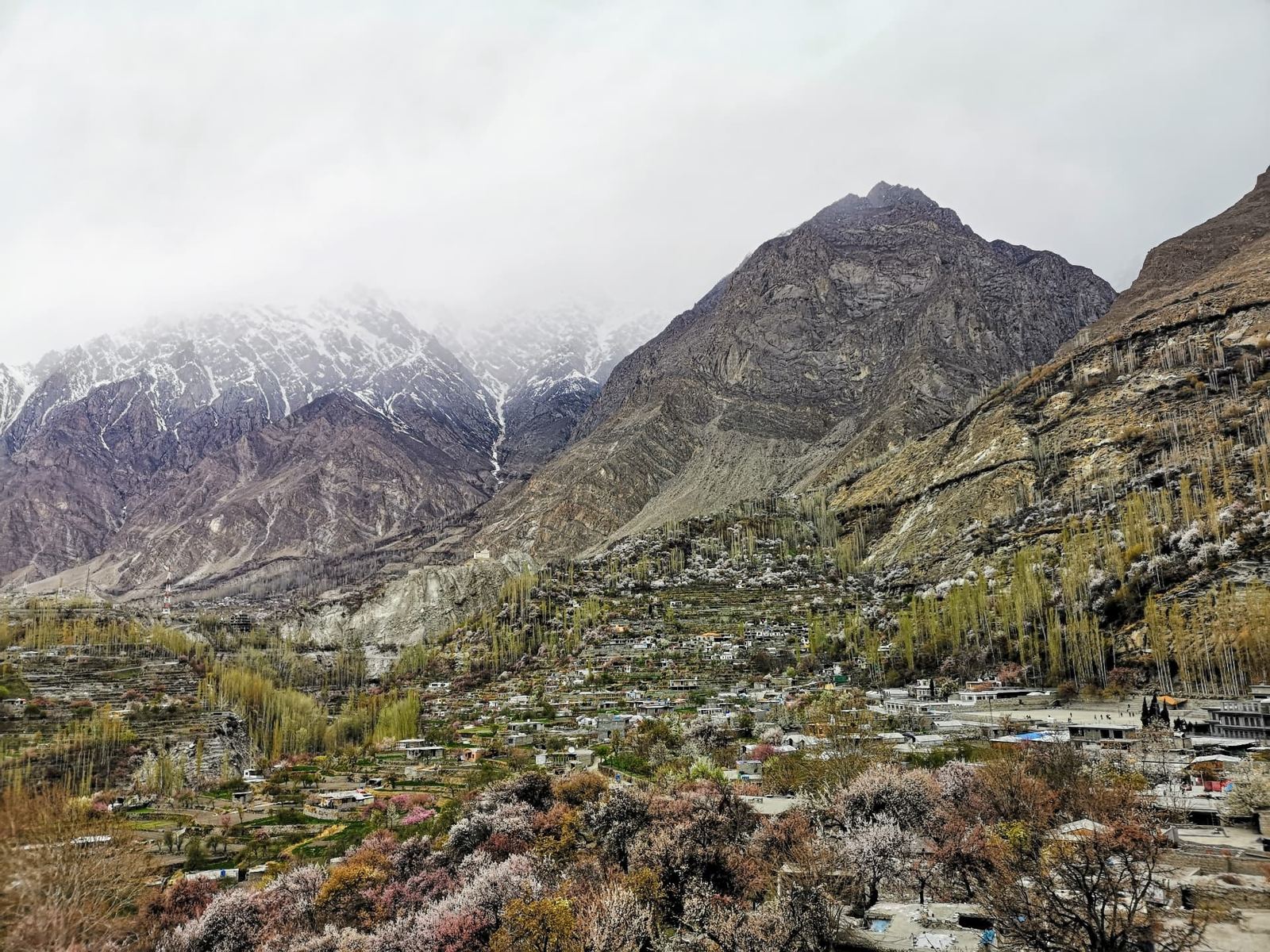
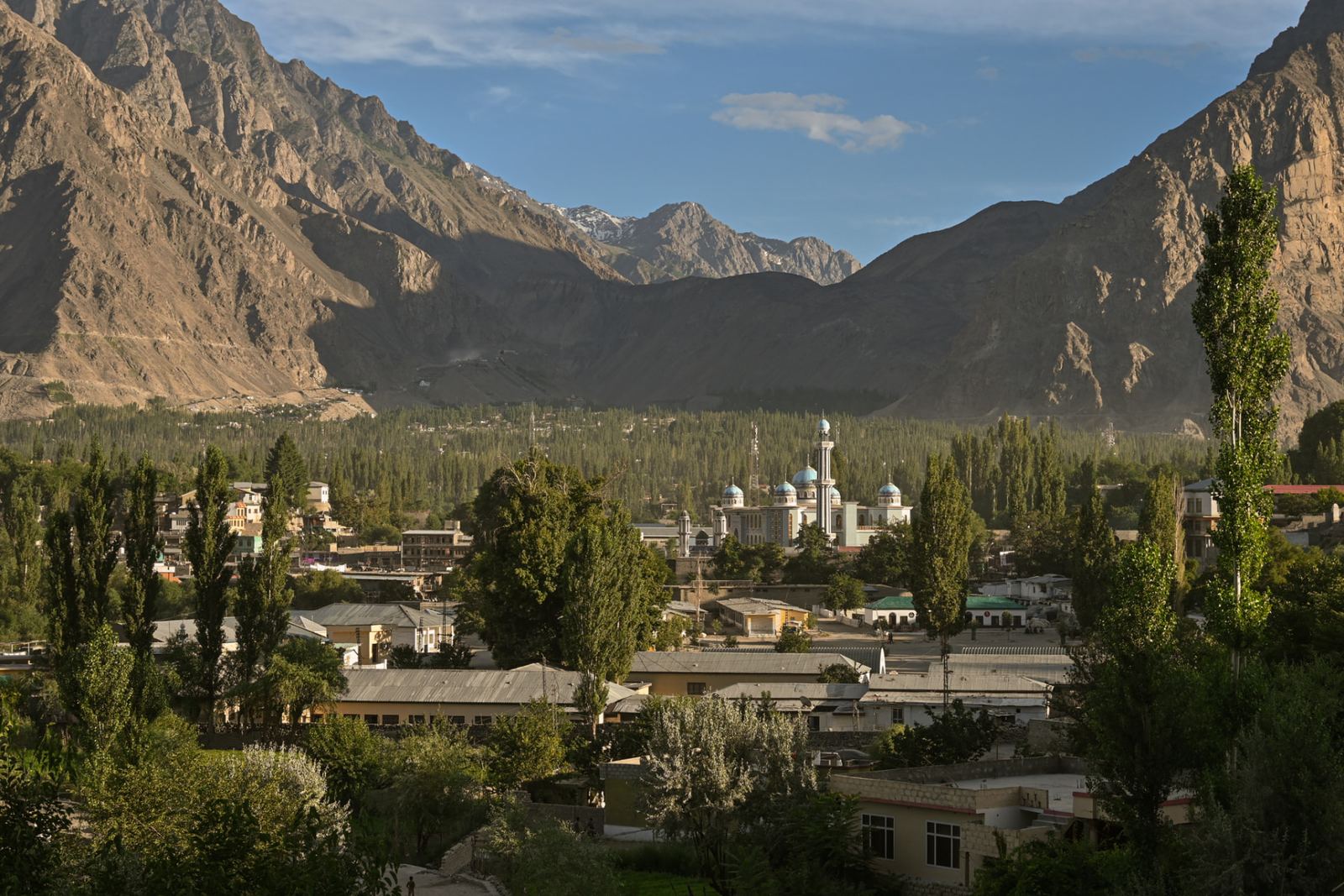
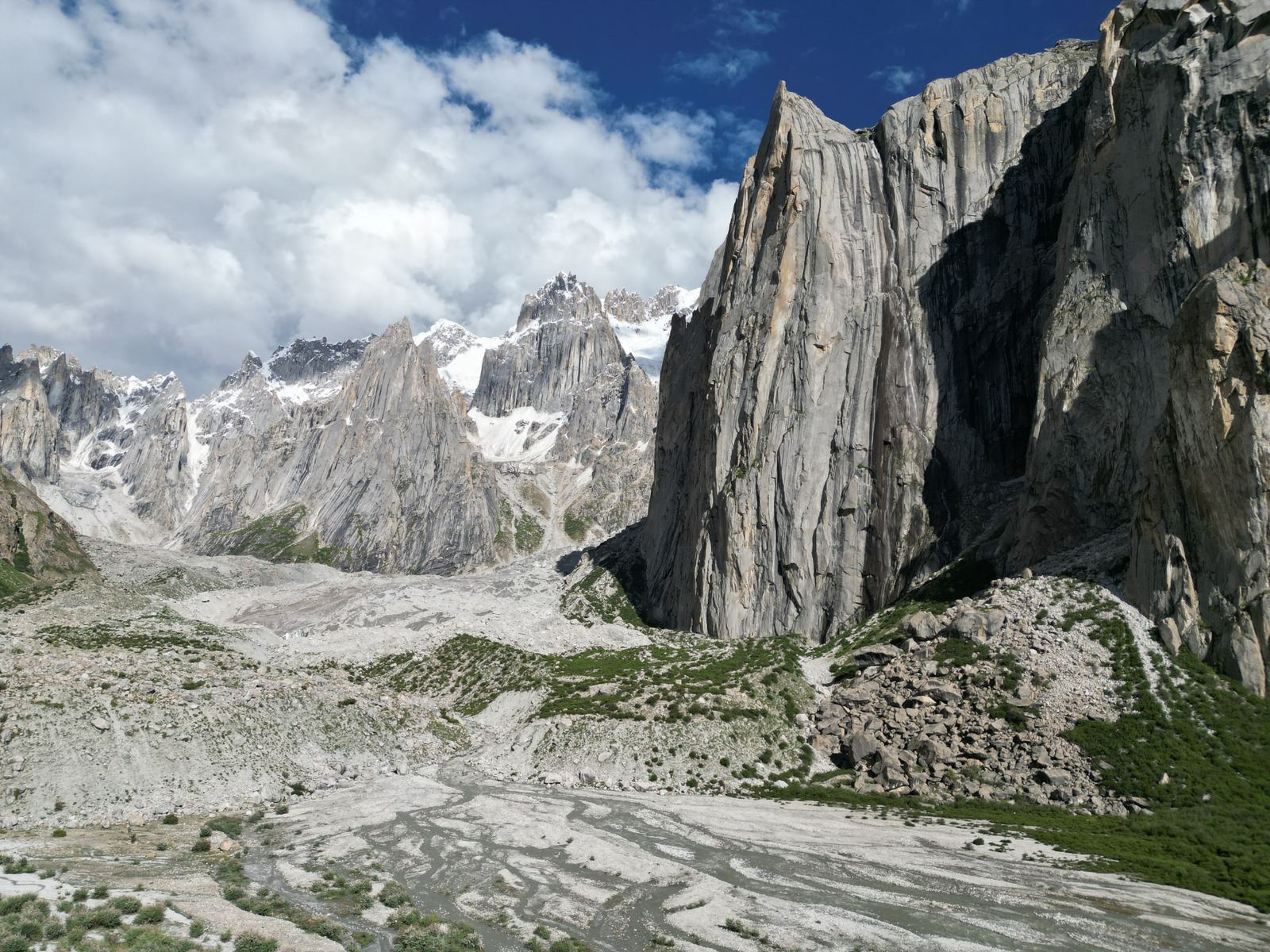
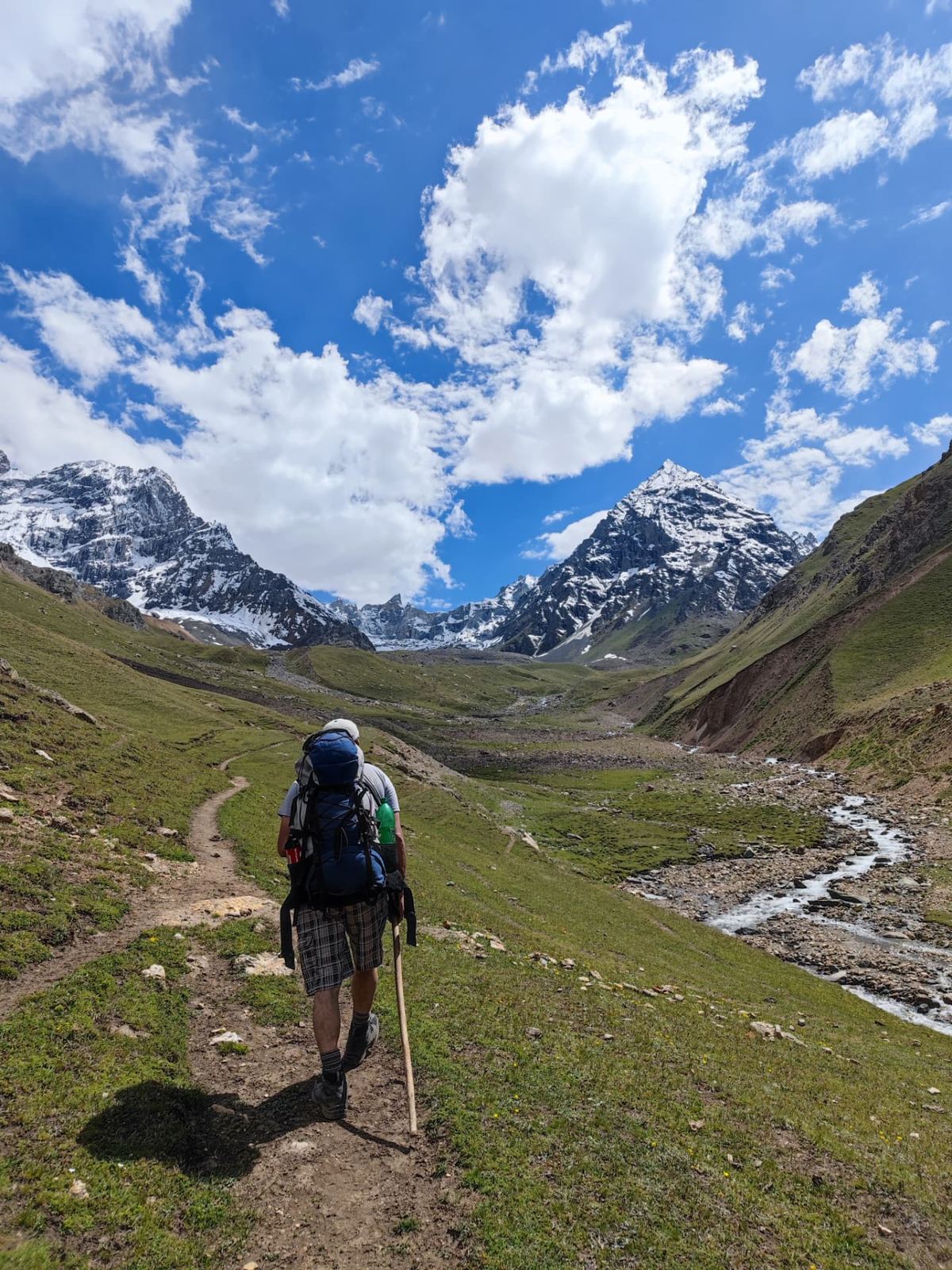
Trek alpine meadows under Mount Masherbrum and Mango Gusor, with panoramic vistas of the Haramosh and Saltoro ranges.
Thallay Valley Trekking Guide, A Walk Among the Giants
A moderate Karakoram trek through Balti villages, alpine meadows and a 4,800m pass.
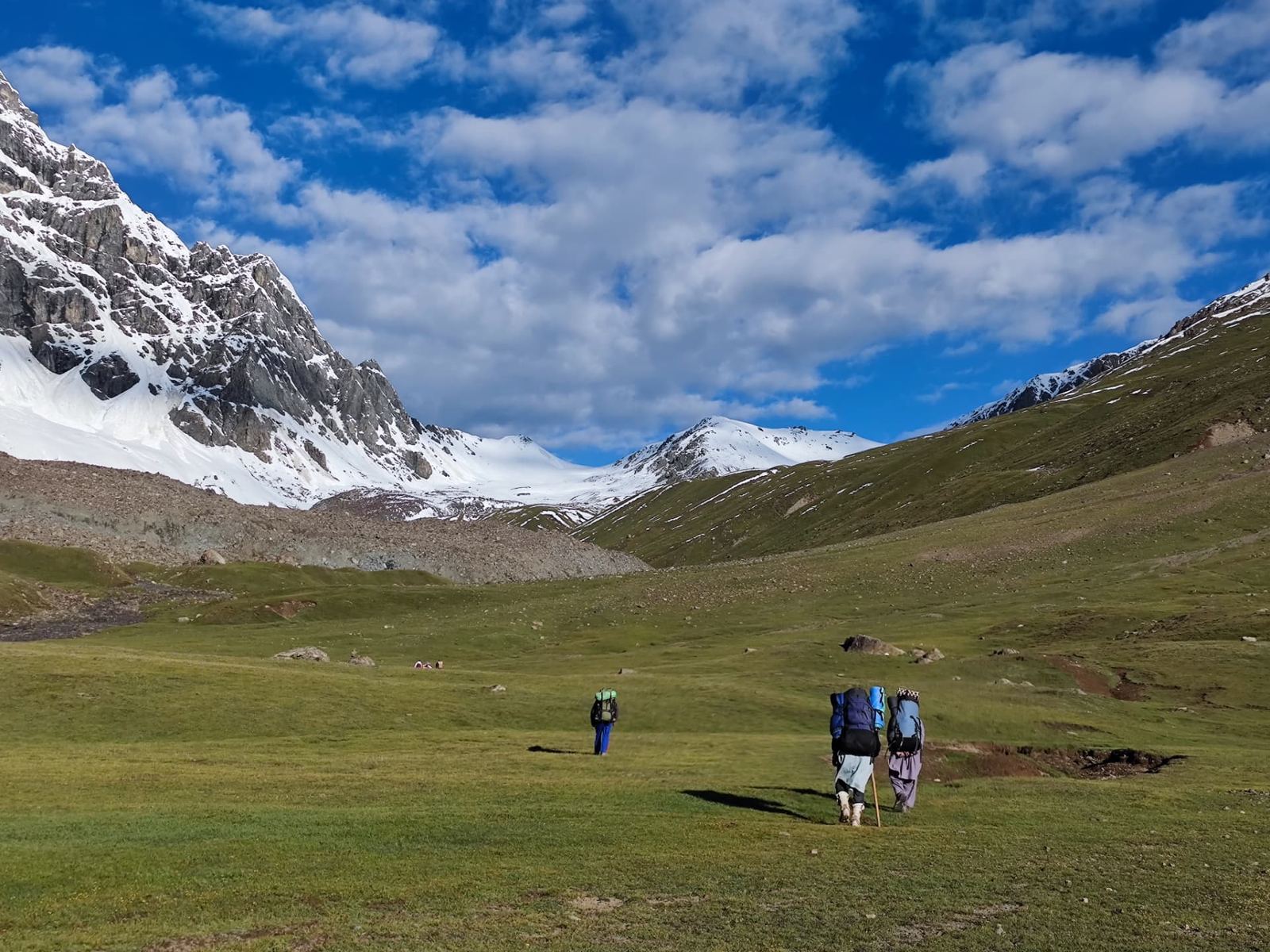
Ideal for adventurers and culture seekers alike, this valley offers moderate treks, wildlife encounters and eco-conscious travel, flower-filled pastures, glacial streams and shepherd huts on a trail that has been walked for centuries.
The Thallay La (4,800m) crosses the historic trade route that once connected the two old kingdoms of Baltistan, Shigar and Khaplu. The valley's name is traced either to a wild plant or to a famously hospitable king, and its polo history runs as deep as its trade legacy.
Trek alpine meadows under Mount Masherbrum and Mango Gusor, with panoramic vistas of the Haramosh and Saltoro ranges.
Engage with Balti communities, explore 14th-century landmarks such as Yarkhor Khanqah and savour traditional cuisine.
Pure paths, glacial streams and eco-friendly camping under star-lit Karakoram skies.
Roughly 3 hours by road from Skardu via Khaplu, along the Shyok river, to the trailhead.
No special permit is required to visit the valley; we handle local permissions for treks toward the Thallay La.
About 2,600m on the valley floor, rising to 4,800m at the Thallay La pass.
All journeys run in small groups of up to 12 clients, or fully privately. See our full collection of tour styles or get in touch to plan your dates.
Many years of experience organising Karakoram adventures, with Balti and Hunzai staff from the valleys themselves.
Fair wages for porters, eco-friendly camps and direct community support on every departure.
Certified guides, satellite communication and tested emergency protocols on every route.
About 2,600m on the valley floor, rising to 4,800m at the Thallay La pass. Read this before you travel. Altitude sickness is entirely preventable when a few simple rules are followed.
Trekking above 2,500 metres involves additional risk not normally associated with lower-level treks. This should not prevent you from undertaking a trek, but it makes sense to learn the dangers and the golden rules that prevent Acute Mountain Sickness (AMS).
Maximum altitudes are listed for every holiday, and the altitude of each camp and pass appears in the daily itinerary. Read the trip notes carefully and judge whether the journey suits your experience. If you have any doubt at all, talk to our office.
The body adapts to a wide range of barometric pressures, but it takes time. Gain height slowly: above 2,500 metres the accepted maximum is 500 metres of sleeping altitude a day, with a rest day where that is not possible. Climb high, sleep low.
There is a direct correlation between daily fluid intake and successful acclimatisation. On treks to 3,000 metres and above, most people need to drink between 4 and 6 litres each day.
Familiarise yourself with the signs and symptoms of AMS before you travel, and report any illness to your trip leader straight away, early reporting is what keeps altitude safe.
Acetazolamide (Diamox) is the only drug currently known to have a useful role in preventing AMS. We recommend carrying it for treks that spend extended periods above 4,000 metres. It is prescription-only, consult your own doctor first.
Travelling to high altitude is not something to be afraid of. Every year thousands of people enjoy the most amazing experiences in the world's greatest mountain ranges, and our guides brief you daily and carry oxygen, first-aid and satellite communication on every departure.
Cross the historic trade route linking Shigar and Khaplu, with sweeping views of the Karakoram peaks.
Walk flower-filled pastures, glacial streams and shepherd huts along the whole route.
Sand and stone at altitude, beside the confluence of the Indus and Shyok rivers.
Yaks, Himalayan ibex, golden eagles, many bird species and trout-filled rivers.
Built in 1382 and still standing in Thallay, one of Baltistan's oldest religious landmarks.
Food, heritage and daily life, the part of Thallay Valley no viewpoint can show you.
Learn Thallay's origins, named after a wild plant or a hospitable king, and its ancient trade-route and polo legacy.
Stay in remote Balti villages around Khaplu and Shigar and witness traditional farming, polo grounds and Noorbakshia traditions.
Visit Shigar Fort, the 1400s Khaplu Khanqah Mulla Bala, and the 1382-built Yarkhor Khanqah in Thallay.
Hire Balti guides, stay in village homestays and buy handicrafts.
Pack out all waste, avoid plastics and respect cultural norms.
Observe animals responsibly and avoid disturbing habitats.
Camp under Milky Way skies surrounded by Karakoram peaks.
Walk through golden fields with Himalayan vistas on every side.
Taste apricot soups, yak butter teas and hearty mountain stews.
Custom tours are available across Thallay Valley on your dates, your pace, your interests. Lengthen the trekking days, add a homestay evening, travel privately with family, or combine this valley with another. Our planners design from a blank page, then price it transparently.
It is graded moderate and is suitable for beginners with reasonable fitness as well as experienced trekkers. The full trekking distance is 38.5 km over four to five days.