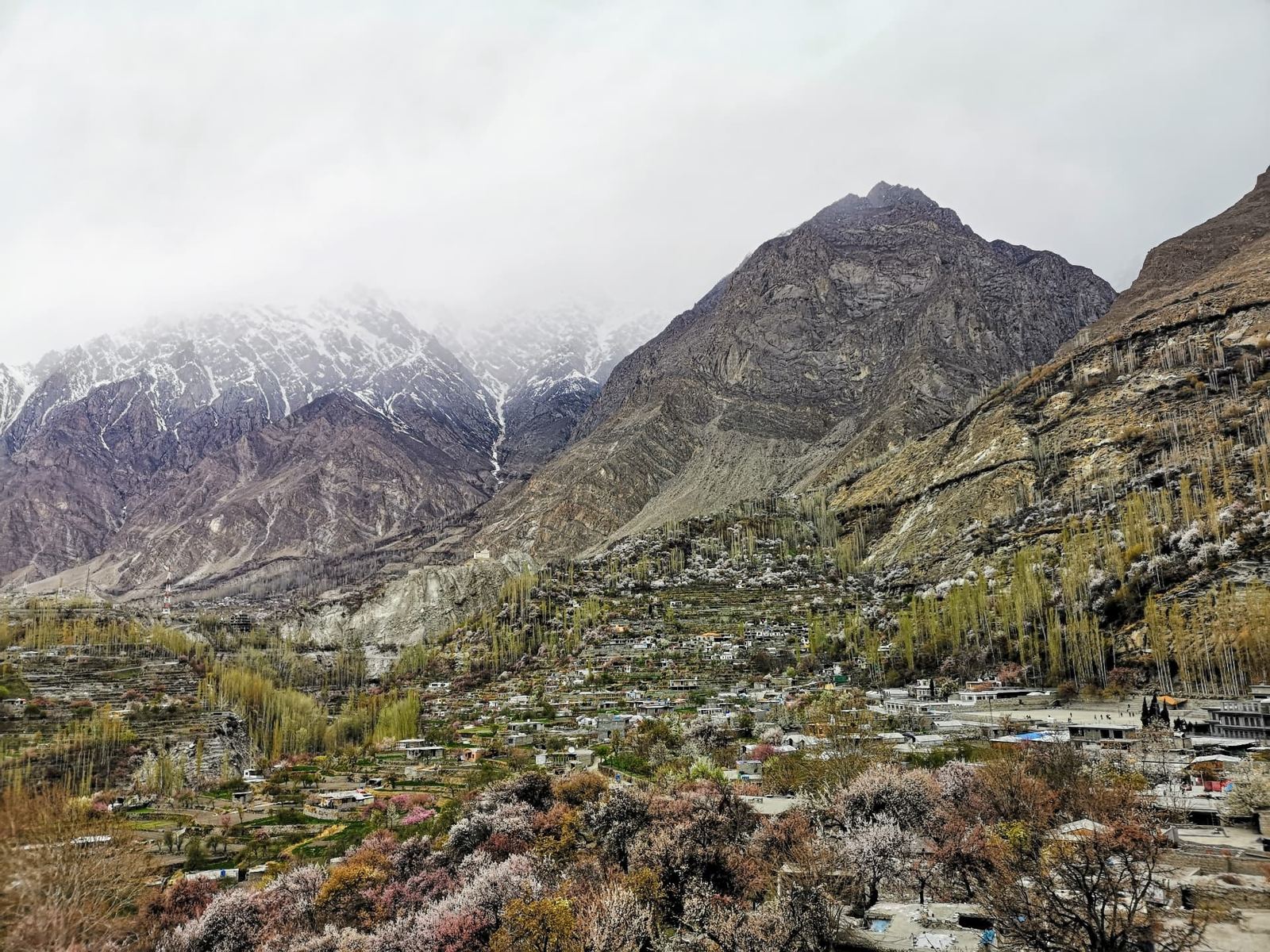
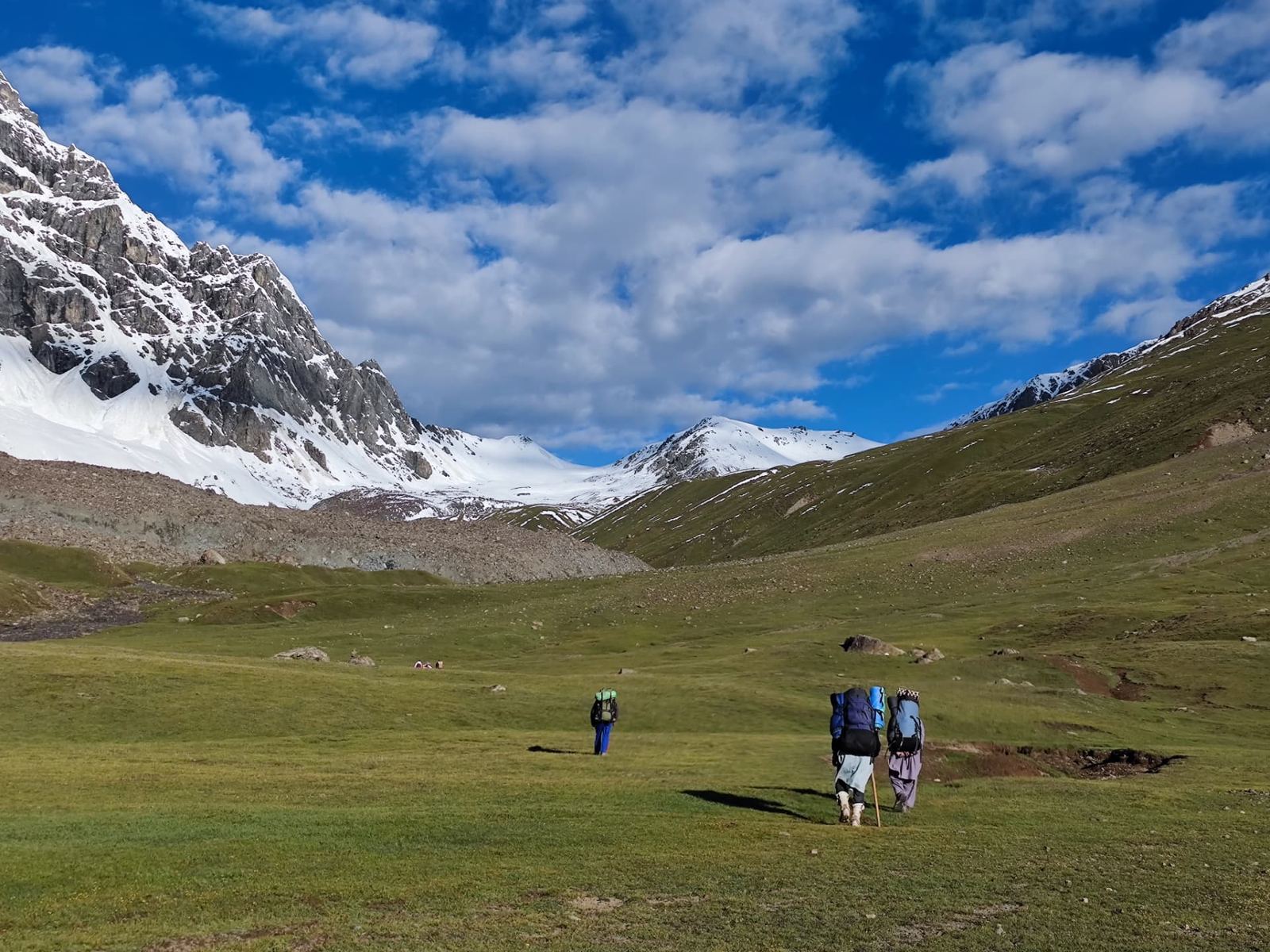
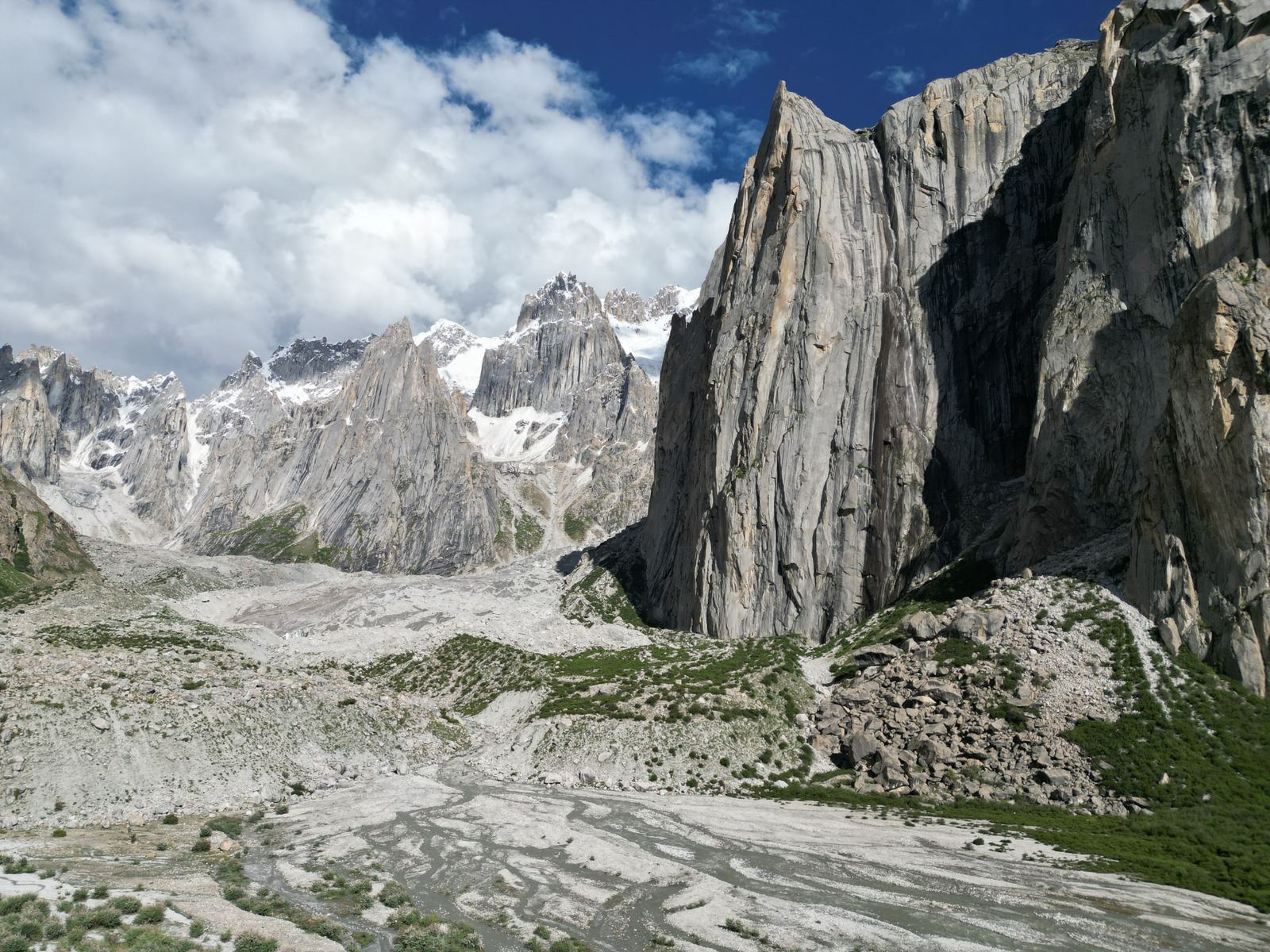
Untouched Wilderness
Trek remote trails with views of 4,800m+ peaks. K2 is not visible from Skardu town, it requires the 19-day epic through Concordia.
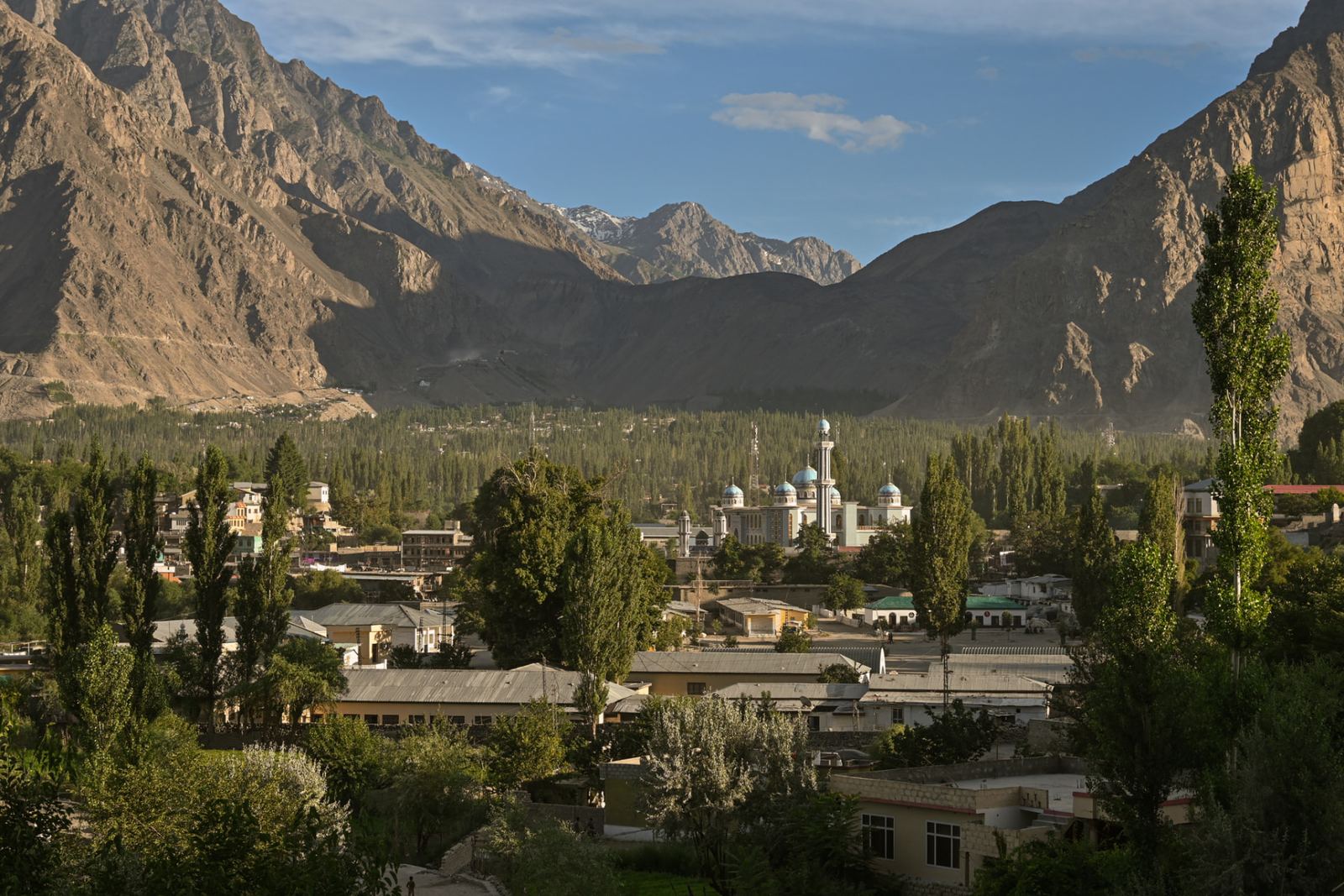
Skardu Valley Travel Guide, The Mountain Call
Pakistan's adventure capital, jagged peaks, glacial lakes and Silk Road heritage.
Skardu is Pakistan's adventure capital: a valley of cold desert, cobalt lakes and centuries-old Balti forts, ideal for trekkers, history buffs and solitude seekers.
Outside July to September there are few travellers here, and connectivity thins to nothing, pure, unfiltered wilderness and the ultimate digital detox. Beyond the town, Shigar, Khaplu, Katpana and the Soq valleys reward days of quiet exploration.
Trek remote trails with views of 4,800m+ peaks. K2 is not visible from Skardu town, it requires the 19-day epic through Concordia.
Minimal tourists outside July-September; almost zero Wi-Fi means a genuine digital detox.
Explore 14th-century forts, Sufi shrines and living Balti traditions.
Preserve this stark beauty with low-impact, eco-friendly travel practices.
“Standing atop Khosar Gung Peak (6,000m), the easiest 6,000m summit, was pure magic.”
Direct flights connect Islamabad and Skardu in about an hour (weather-dependent); the overland alternative is the Karakoram Highway via Gilgit, roughly 24-27 hours from Islamabad or 7 hours on from Gilgit.
Sightseeing around Skardu and Deosai needs no special permit beyond the Deosai National Park entry fee; we arrange trekking permits for routes toward K2 and Concordia.
2,230m at Skardu town, rising to about 4,114m on the Deosai Plateau.
All journeys run in small groups of up to 12 clients, or fully privately. See our full collection of tour styles or get in touch to plan your dates.
Many years of experience organising Karakoram adventures, with Balti and Hunzai staff from the valleys themselves.
Fair wages for porters, eco-friendly camps and direct community support on every departure.
Certified guides, satellite communication and tested emergency protocols on every route.
2,230m at Skardu town, rising to about 4,114m on the Deosai Plateau. Read this before you travel. Altitude sickness is entirely preventable when a few simple rules are followed.
Trekking above 2,500 metres involves additional risk not normally associated with lower-level treks. This should not prevent you from undertaking a trek, but it makes sense to learn the dangers and the golden rules that prevent Acute Mountain Sickness (AMS).
Maximum altitudes are listed for every holiday, and the altitude of each camp and pass appears in the daily itinerary. Read the trip notes carefully and judge whether the journey suits your experience. If you have any doubt at all, talk to our office.
The body adapts to a wide range of barometric pressures, but it takes time. Gain height slowly: above 2,500 metres the accepted maximum is 500 metres of sleeping altitude a day, with a rest day where that is not possible. Climb high, sleep low.
There is a direct correlation between daily fluid intake and successful acclimatisation. On treks to 3,000 metres and above, most people need to drink between 4 and 6 litres each day.
Familiarise yourself with the signs and symptoms of AMS before you travel, and report any illness to your trip leader straight away, early reporting is what keeps altitude safe.
Acetazolamide (Diamox) is the only drug currently known to have a useful role in preventing AMS. We recommend carrying it for treks that spend extended periods above 4,000 metres. It is prescription-only, consult your own doctor first.
Travelling to high altitude is not something to be afraid of. Every year thousands of people enjoy the most amazing experiences in the world's greatest mountain ranges, and our guides brief you daily and carry oxygen, first-aid and satellite communication on every departure.
Visit Kharpocho Fort and Manthal Buddha Rock, then boat on emerald Upper Kachura Lake.
Hike golden cold-desert dunes framed by snow-capped peaks.
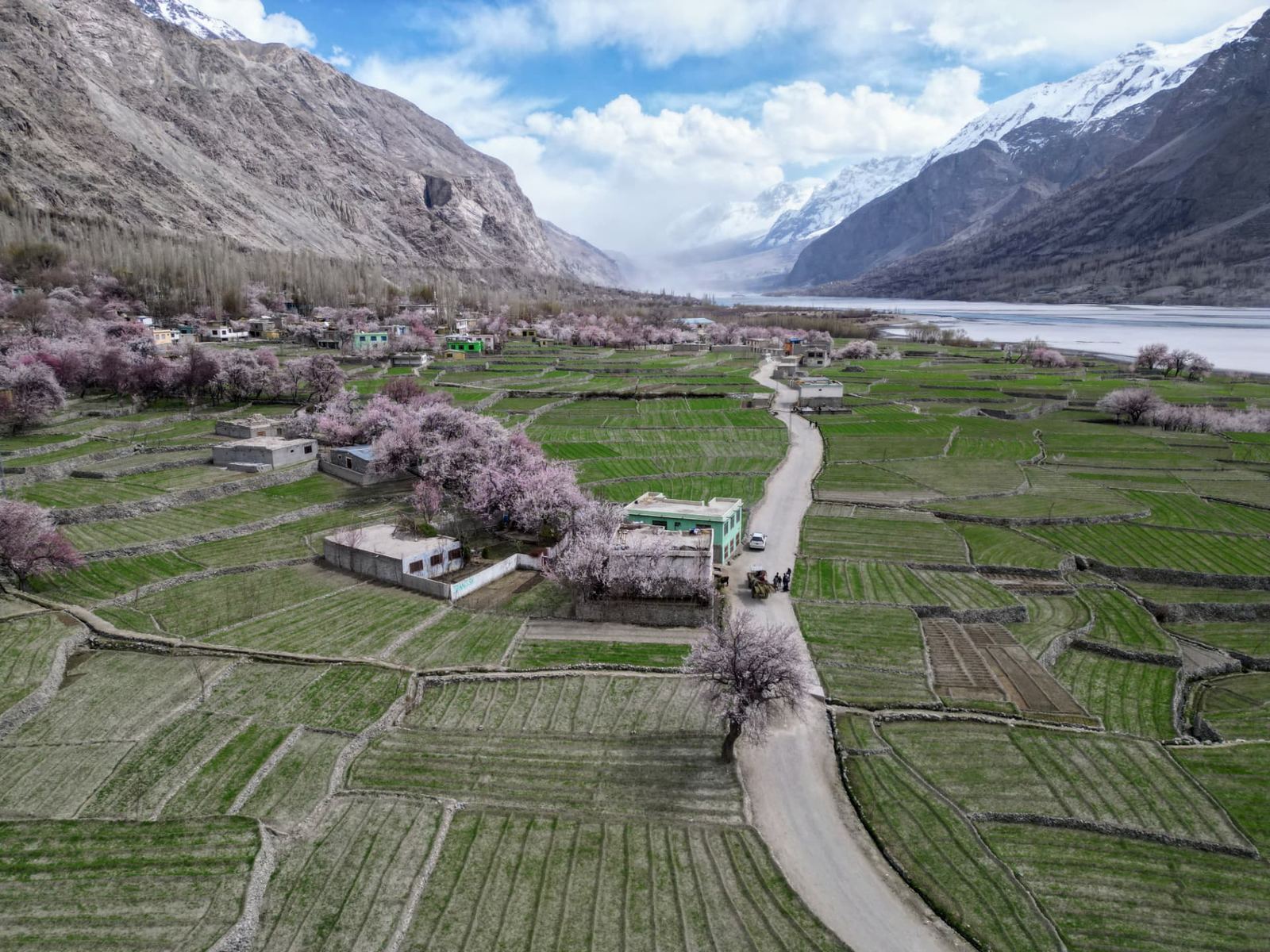
Explore Shigar Fort, Khaplu Palace and the apricot orchards of Baltistan's cultural hubs.
Trek through wildflower meadows and glacial streams.
A 19-day epic through Concordia, the "Throne Room of the Mountain Gods".
Ice climbing and alpine camping beneath Laila Peak (6,096m).
Food, heritage and daily life, the part of Skardu Valley no viewpoint can show you.
Try momo dumplings, butter tea and apricot-based dishes.
Marvel at the 700-year-old Chaqchan Mosque and the Sufi khanqahs of Baltistan.
Shop for handwoven woollens and Balti jewellery in Skardu's bazaars.
Avoid single-use plastics, Skardu lacks waste infrastructure.
Stay in homestays, hire Balti guides and buy local handicrafts.
Dress modestly and always ask before photographing religious sites.
At 6,000m it is widely called the easiest 6,000-metre summit in the Karakoram.
Camp on the Katpana dunes with snow peaks on every horizon.
Stand in Concordia, where four of the world's fourteen 8,000-metre peaks converge.
Custom tours are available across Skardu Valley on your dates, your pace, your interests. Lengthen the trekking days, add a homestay evening, travel privately with family, or combine this valley with another. Our planners design from a blank page, then price it transparently.
Direct flights operate from Islamabad daily, weather permitting, in about an hour. The overland route via the Karakoram Highway and Gilgit is a spectacular two-day alternative.