Iconic Peaks & Treks
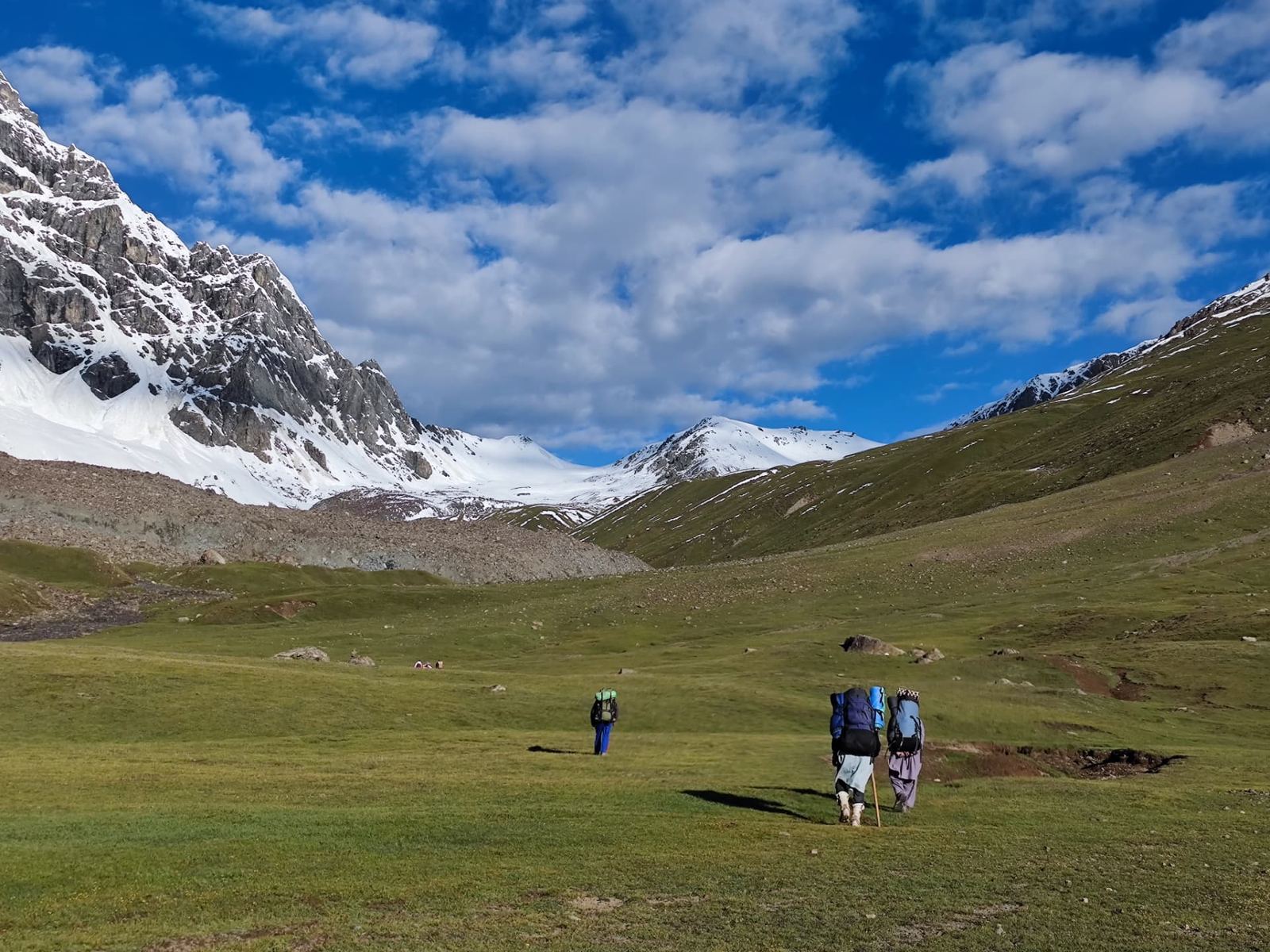
Hike beneath Rakaposhi (7,788m), the Passu Cones and Golden Peak (7,027m), with trails for all skill levels.
Hunza Valley Travel Guide, Pakistan's "Shangri-La"
Rakaposhi treks, Baltit Fort, Attabad Lake and eco-conscious travel in the Karakoram.
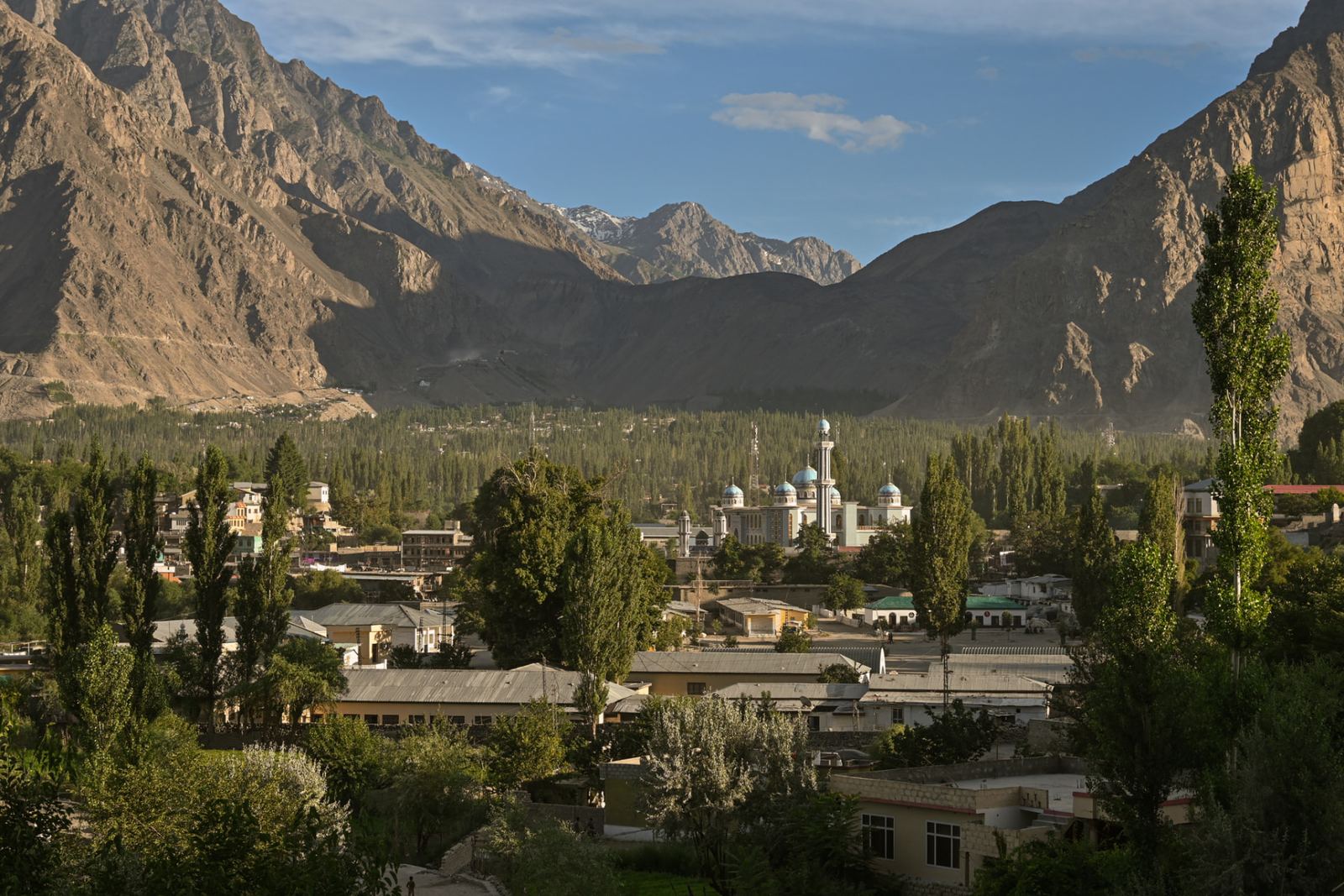
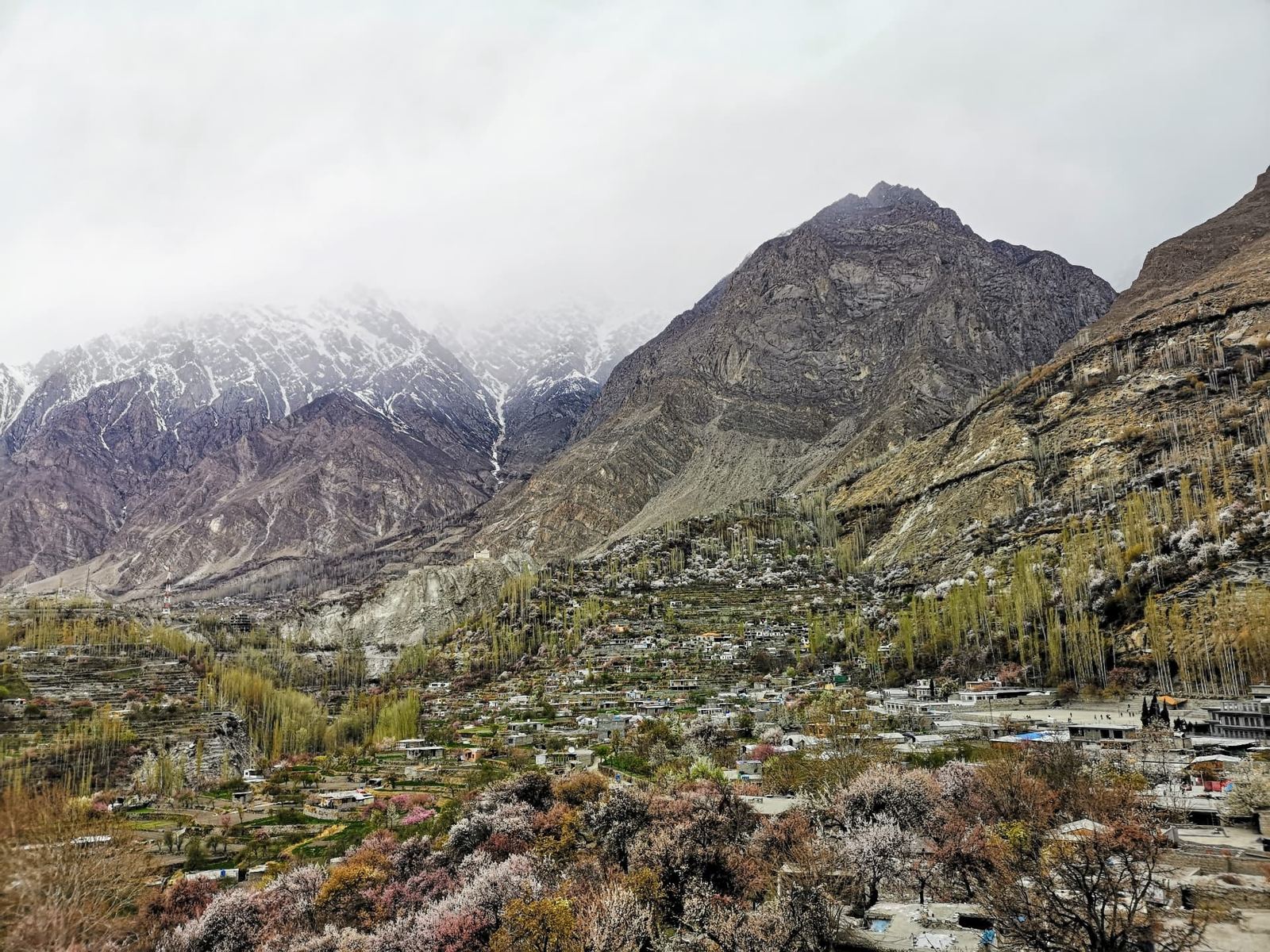
Hunza offers a rare blend of adventure and serenity, ideal for trekkers, culture lovers and eco-conscious travellers. Snow-capped giants frame every horizon, while terraced orchards and stone villages hold a Silk Road memory that is still very much alive.
Baltit Fort has received its renovation and has been turned into a heritage museum. The bazaar in Karimabad is ideal for local handicrafts, traditional embroidered caps, handmade rugs, hand-woven cloth and shawls, as well as gemstones that are famous worldwide, mainly ruby. The ruby mines remain one of the valley's main attractions.
Hike beneath Rakaposhi (7,788m), the Passu Cones and Golden Peak (7,027m), with trails for all skill levels.
Explore 1,000-year-old forts, Silk Road history and vibrant Wakhi, Shina and Burusho traditions.
Pakistan's first plastic-free district, promoting eco-tourism and community-driven initiatives.
Renowned for safety, high literacy (around 90%) and gender-progressive values.
Fly Islamabad-Gilgit (about 1 hour, weather permitting) then drive 2-3 hours to Hunza, or drive the full Karakoram Highway from Islamabad (10-12 hours).
No special trekking permit is needed for standard Hunza sightseeing; foreign nationals simply carry their passport and visa for routine checkpoints.
2,500m (Karimabad) up to around 3,300m at valley viewpoints.
All journeys run in small groups of up to 12 clients, or fully privately. See our full collection of tour styles or get in touch to plan your dates.
Many years of experience organising Karakoram adventures, with Balti and Hunzai staff from the valleys themselves.
Fair wages for porters, eco-friendly camps and direct community support on every departure.
Certified guides, satellite communication and tested emergency protocols on every route.
2,500m (Karimabad) up to around 3,300m at valley viewpoints. Read this before you travel. Altitude sickness is entirely preventable when a few simple rules are followed.
Trekking above 2,500 metres involves additional risk not normally associated with lower-level treks. This should not prevent you from undertaking a trek, but it makes sense to learn the dangers and the golden rules that prevent Acute Mountain Sickness (AMS).
Maximum altitudes are listed for every holiday, and the altitude of each camp and pass appears in the daily itinerary. Read the trip notes carefully and judge whether the journey suits your experience. If you have any doubt at all, talk to our office.
The body adapts to a wide range of barometric pressures, but it takes time. Gain height slowly: above 2,500 metres the accepted maximum is 500 metres of sleeping altitude a day, with a rest day where that is not possible. Climb high, sleep low.
There is a direct correlation between daily fluid intake and successful acclimatisation. On treks to 3,000 metres and above, most people need to drink between 4 and 6 litres each day.
Familiarise yourself with the signs and symptoms of AMS before you travel, and report any illness to your trip leader straight away, early reporting is what keeps altitude safe.
Acetazolamide (Diamox) is the only drug currently known to have a useful role in preventing AMS. We recommend carrying it for treks that spend extended periods above 4,000 metres. It is prescription-only, consult your own doctor first.
Travelling to high altitude is not something to be afraid of. Every year thousands of people enjoy the most amazing experiences in the world's greatest mountain ranges, and our guides brief you daily and carry oxygen, first-aid and satellite communication on every departure.
A moderate trek offering jaw-dropping views of the "Mother of Mist".
Hunza's royal legacy, both forts received the UNESCO Asia-Pacific Heritage Award for Cultural Heritage Conservation in 2011.
Turquoise waters perfect for boating, photography and sunset views.
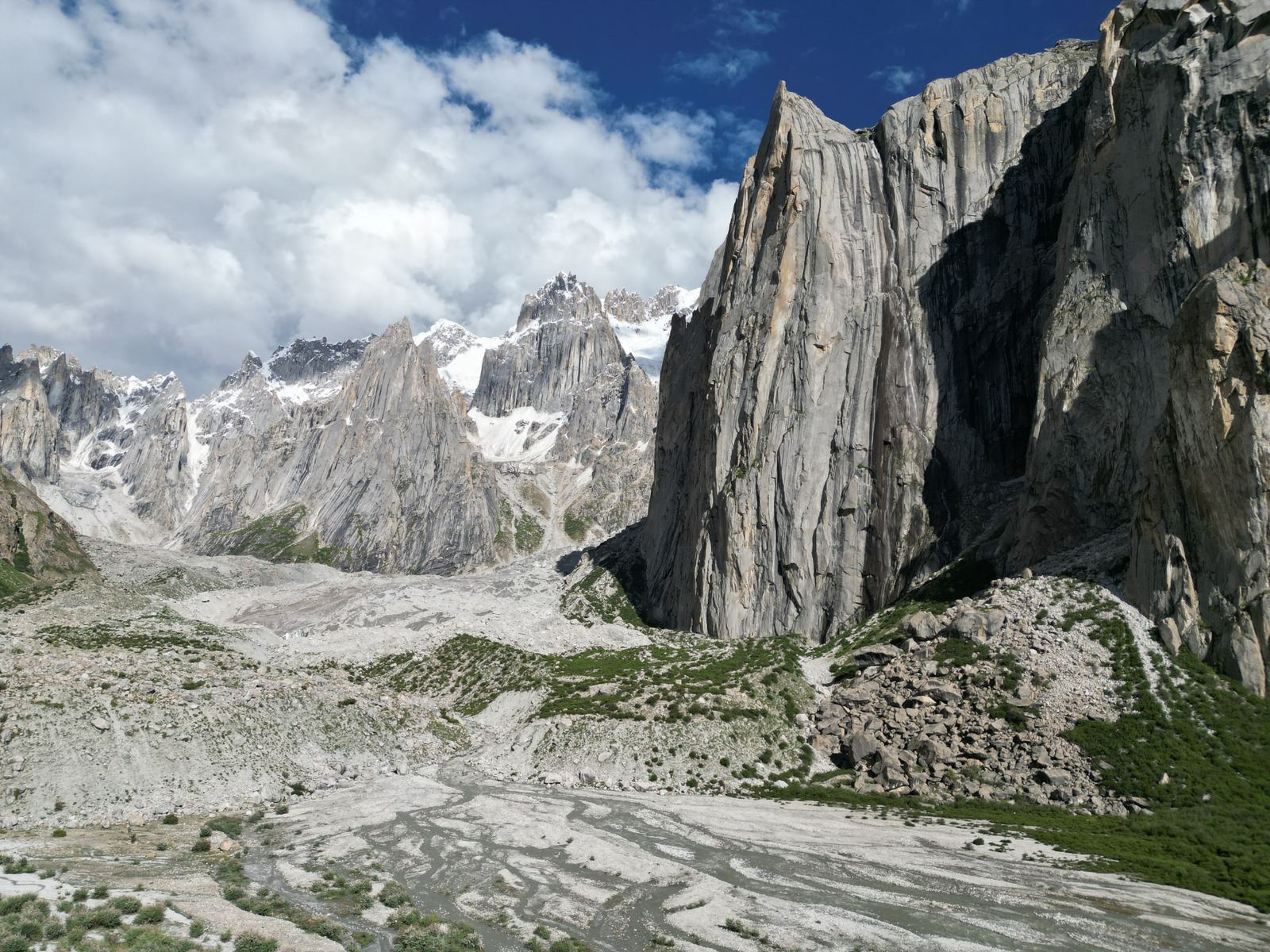
Hike among jagged ice formations and the iconic "Cathedral Ridge" peaks.
Capture sunrise vistas over Hunza's terraced fields and Karimabad town.
Food, heritage and daily life, the part of Hunza Valley no viewpoint can show you.
Taste chapshuro (meat flatbread), apricot jams and walnut desserts.
Join Ginani, the harvest festival, or sit with elders and talk about Hunza's Silk Road past.
Meet trailblazing Hunza women leading education and business initiatives.
Choose eco-friendly hotels and lodges that manage waste and water responsibly.
Buy handicrafts, hire Hunzakut guides and dine at family-run cafés.
Dress modestly and always ask permission before photographing local people.
Camp under Milky Way skies near Rakaposhi Tagafari Base Camp.
Learn from female entrepreneurs reshaping community roles across the valley.
Walk ancient trails connecting Baltit Fort to China's Silk Route.
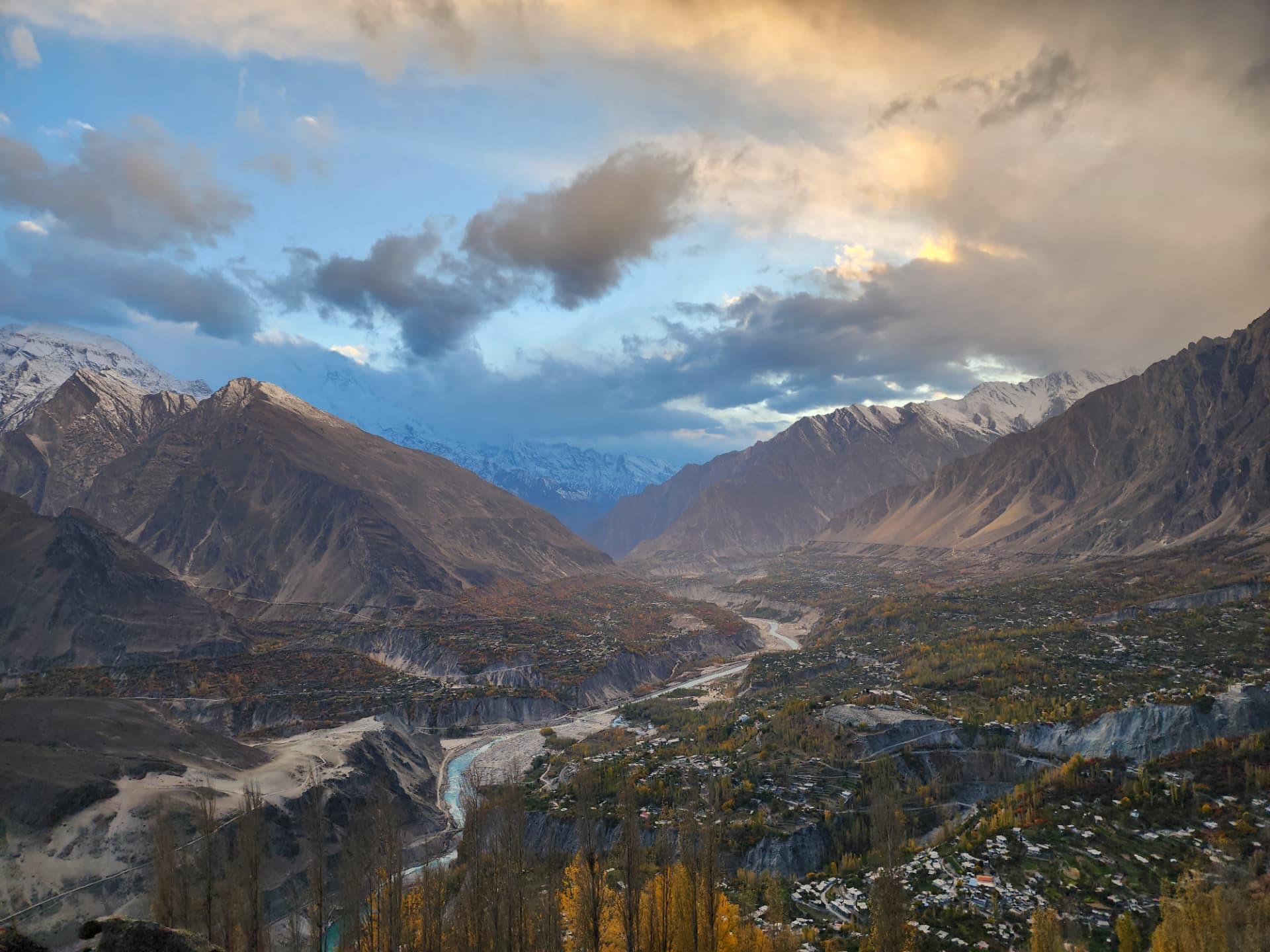
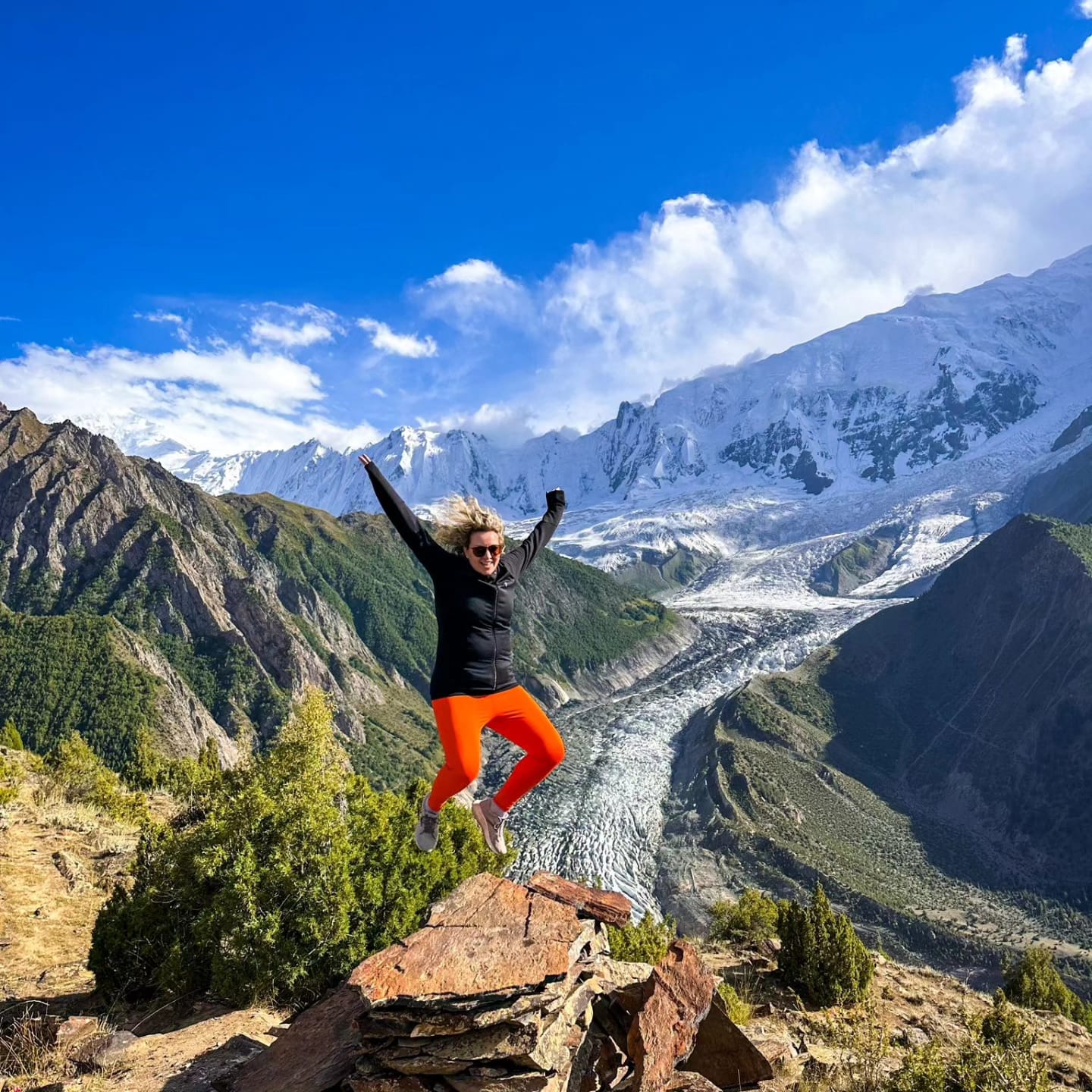
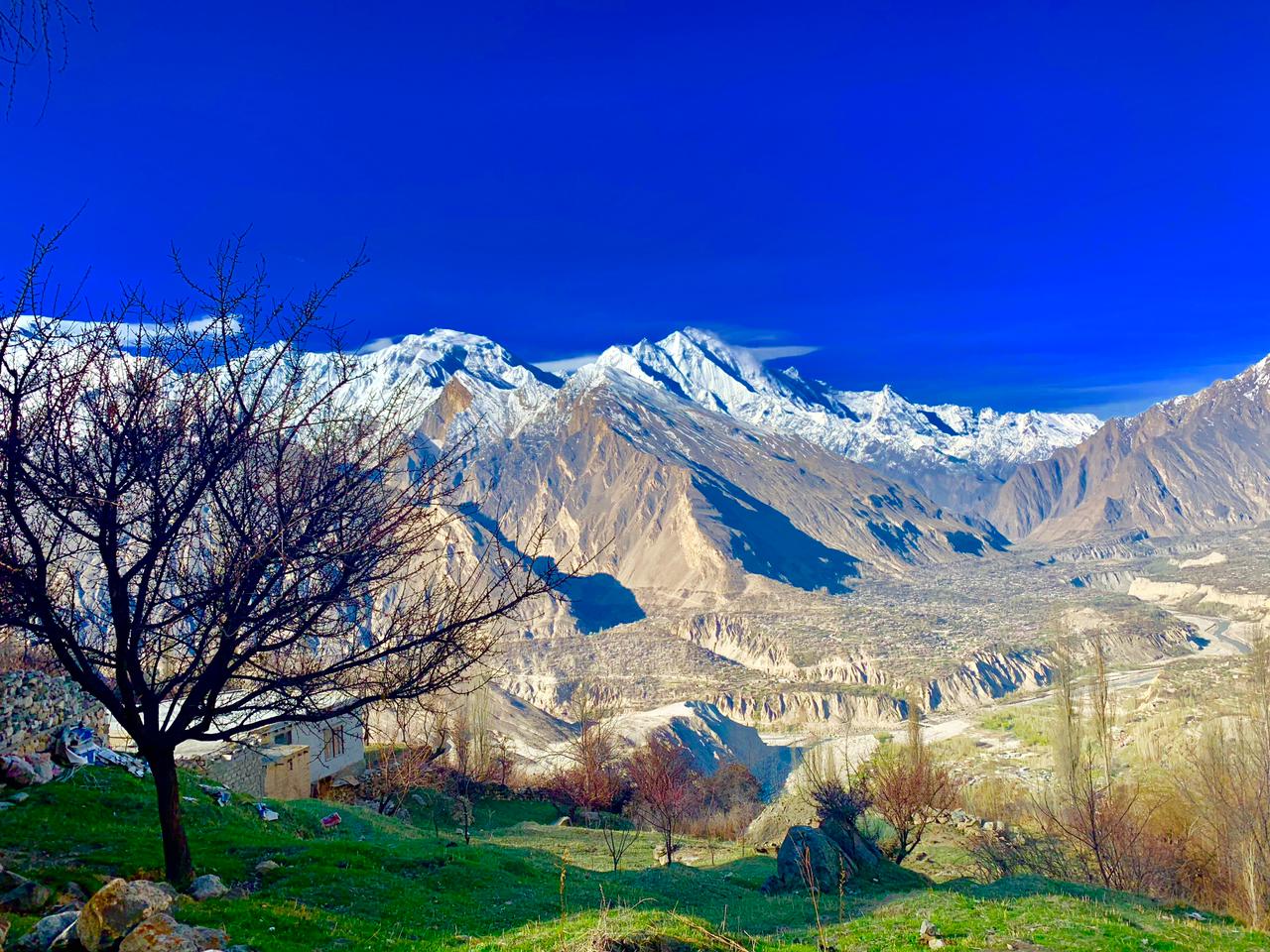
Custom tours are available across Hunza Valley on your dates, your pace, your interests. Lengthen the trekking days, add a homestay evening, travel privately with family, or combine this valley with another. Our planners design from a blank page, then price it transparently.
No. Hunza is accessible to travellers of all fitness levels, the forts, bazaars and viewpoints involve gentle walking. Treks such as Rakaposhi Basecamp are optional add-ons and are graded separately.
A field diary from the pink orchards of Karimabad.
Read Hunza ValleyThe ingredients and rituals that keep this valley legendary.
Read Hunza ValleySnow, silence and firelit hospitality in the off-season.
Read